Mini sewing machines are compact, lightweight devices ideal for quick repairs, emergency mends, and small hemming tasks, making them perfect for beginners, travelers, or those with limited space. These machines prioritize portability and ease of use, often running on both AC power and batteries, and typically cost between $20 and $150. They are specifically designed for light to medium-weight fabrics and offer basic stitch options like straight and zigzag stitches, proving that great things often come in small packages.
What is a Sewing Machine?
At its core, a sewing machine is a mechanical device designed to stitch fabric and other materials together with thread. It automates the process of hand sewing, significantly increasing speed, efficiency, and consistency. While early sewing machines, invented in the 18th and 19th centuries, revolutionized clothing production and domestic life, modern machines range from simple mechanical models to sophisticated computerized systems. Their primary function remains the same: to create strong, even seams quickly and reliably, transforming raw fabric into finished garments, repairs, and creative projects.
Popular Types of Sewing Machines
The world of sewing machines is diverse, catering to a vast array of needs and skill levels. Understanding the different categories helps illuminate where mini sewing machines fit within the broader landscape. For see our sewing machine recommendations on this site.
Domestic Sewing Machines
Domestic sewing machines, also known as home sewing machines, are designed for personal use in residential settings. They are typically versatile, offering a range of stitch types and features suitable for everything from garment construction and home decor to quilting and crafting.
- Advantages: User-friendly for a broad audience, multiple stitch options, often include specialized feet for different tasks, and vary widely in price and capability.
- Disadvantages: Can be bulky and heavy, requiring dedicated space. While some are portable, they generally aren’t as compact as mini machines.
- Applications: General household sewing, creating clothing, mending, quilting, and decorative stitching.
Industrial Sewing Machines
Industrial sewing machines are built for heavy-duty, continuous operation in manufacturing environments. They are specialized for specific tasks, incredibly durable, and designed for speed and power.
- Advantages: Exceptional speed and power, robust construction, highly durable, and capable of handling tough, thick materials.
- Disadvantages: Very expensive, large, heavy, loud, and often perform only one or a few specialized stitches. Not practical for home use.
- Applications: Mass production of clothing, upholstery, automotive interiors, and other large-scale textile manufacturing.
Mini Portable Sewing Machines
Mini portable sewing machines are the focus of our discussion, offering a compact and lightweight solution for everyday sewing challenges. These machines prioritize portability and ease of use.
- Advantages: Extremely compact and lightweight, highly portable for travel or small spaces, often battery-operated, and perfect for quick repairs, hemming, and basic projects. They are generally very user-friendly for beginners.
- Disadvantages: Limited stitch options, may struggle with thick or multiple layers of fabric, often lack advanced features, and can sometimes be less durable than full-sized models. Handheld versions are even more basic, usually offering only a chain stitch.
- Applications: Mending ripped seams, hemming pants or curtains, small craft projects, and on-the-go repairs.
Electronic Sewing Machines
|
Our Picks for the Best Sewing Machine in 2026
As an Amazon Associate I earn from qualifying purchases.
|
||
| Num | Product | Action |
|---|---|---|
| 1 | SINGER Heavy Duty 4423 Meltwater Blue High Speed Sewing Machine with Accessory Kit | Strong Motor With Enhanced Piercing Power, 97 Stitch Applications, Full Metal frame, 1-step Buttonhole & LED Light |

|
| 2 | Brother FB1757X Mechanical Sewing Machine |
|
| 3 | Brother Sewing and Quilting Machine, XR3774, 37 Built-in Stitches, Wide Table, 8 Included Sewing Feet |
|
| 4 | Janome Cat Fancy Easy-to-Use Sewing Machine with Interior Metal Frame, Bobbin Diagram, Tutorial Videos, Made with Beginners in Mind!, Multi-Color |
|
| 5 | Brother RLX3817 17-Stitch Sewing Machine, White(Renewed) |
|
| 6 | Brother SE700 Sewing and Embroidery Machine, Wireless LAN Connected, 135 Built-in Designs, 103 Built-in Stitches, Computerized, 4" x 4" Hoop Area, 3.7" Touchscreen Display, 8 Included Feet, White |
|
| 7 | Brother XM2701 Sewing Machine, Lightweight, Full Featured, 27 Stitches, 6 Included Feet |
|
| 8 | SINGER Heavy Duty 4411 High-Speed Sewing Machine with Accessory Kit | Strong Motor, Enhanced Piercing Power, 69 Stitch Applications, Full Metal Frame, 4-Step Buttonhole & LED Light, Grey |
|
| 9 | Brother CS7000X Computerized Sewing and Quilting Machine, 70 Built-in Stitches, LCD Display, Wide Table, 10 Included Feet, White |
|
| 10 | SINGER Heavy Duty 4452 High-Speed Sewing Machine with Accessory Kit | Strong Motor with Enhanced Piercing Power, 110 Stitch Applications, Full Metal Frame, 1-Step Buttonhole & LED Lights, Grey |
|
Electronic sewing machines incorporate microprocessors and often feature an LCD screen, offering computerized control over stitch patterns, length, and width. While many domestic machines are electronic, some mini machines also include basic electronic controls.
- Advantages: Precision control over stitches, a wide variety of stitch patterns, automated functions (e.g., needle threading, buttonholes), and often quieter operation.
- Disadvantages: Generally more expensive, can be more complex for absolute beginners, and may require professional servicing for electronic issues.
- Applications: Advanced garment making, intricate embroidery, and users desiring extensive creative control.
Comparison Table of Sewing Machine Types
To further illustrate the distinctions, here’s a comparison of the primary sewing machine types:
| Feature | Domestic Sewing Machines | Industrial Sewing Machines | Mini Portable Sewing Machines |
|---|---|---|---|
| Price Range | Mid-range ($100-$1000+) | High-end ($1000-$5000+) | Low-range ($20-$150) |
| Key Features | Multiple stitches, buttonholes, varied presser feet, some automation | High speed, specialized stitches, robust motor, continuous operation | Basic stitches (straight/zigzag), dual speed, portable power (battery/AC) |
| Durability | Good, varies by model/brand | Excellent, built for heavy use | Moderate, can be less robust |
| Applications | Home sewing, crafts, garment making, quilting | Mass production, heavy-duty fabrics, specific tasks | Quick repairs, hemming, travel, small DIY projects, beginner use |
| Portability | Moderate to low | Very low (stationary) | High (lightweight, compact) |
Guide to Choosing the Right Mini Sewing Machine
Selecting the ideal mini sewing machine requires a clear understanding of your personal sewing habits and expectations. These machines excel in specific niches, so aligning their capabilities with your needs is crucial.
Determine Your Needs
Before diving into models, ask yourself: What will you primarily use this machine for? Are you a beginner looking to learn the basics, or do you need a compact device for occasional mends and quick alterations? If your main goal is simple mending, hemming, or small craft projects, a mini sewing machine will likely suffice. However, if you plan to tackle complex garment construction or heavy fabrics, a more robust domestic machine might be a better investment in the long run. Mini machines are particularly suited for on-the-go repairs or for those with limited storage space.
Budget
Mini sewing machines are typically very affordable, ranging from $20 to $150. This makes them an accessible entry point into sewing or a cost-effective addition to an existing toolkit. While budget-friendly, that extremely cheap models might compromise on build quality and durability. Balance price with features and brand reputation to ensure you’re getting value.
Essential Features
Even within the mini category, features vary. Consider these important aspects:
- Stitch Options: Most mini machines offer basic straight and zigzag stitches, which are sufficient for repairs and hemming. Some may include a few decorative stitches or a simple 4-step buttonhole function.
- Speed Control: Dual speed settings are beneficial, allowing beginners to start slow and increase speed as confidence grows.
- Power Source: Many mini machines can run on both AC power (plugged in) and batteries, offering maximum portability.
- Built-in Light: A small LED light can significantly improve visibility, especially when working on intricate details or in dimly lit environments.
- Automatic Needle Threader: While less common on very basic mini machines, this feature greatly simplifies setup.
- Accessories: Look for models that come with essential accessories like extra bobbins, needles, and a thread cutter.
Reputable Brands
Opting for well-known brands can often provide more reliability and better customer support. Brands like Singer, Brother, and Janome offer mini or compact versions of their sewing machines, leveraging their reputation for quality. Other brands like Magicfly and KPCB also produce popular mini models known for their specific features, such as extension tables or dual speed settings. Researching models from these brands can give you a good starting point.
Reviews and Comparisons
Reading customer reviews and watching comparison videos is invaluable. Real-world feedback can highlight a machine’s strengths and weaknesses, such as how it handles different fabrics, its ease of threading, or common troubleshooting issues. Pay attention to comments regarding durability and stitch quality.
Where to Buy
Mini sewing machines are widely available both online and in physical stores. Online retailers often provide a broader selection and competitive pricing, while brick-and-mortar stores allow you to physically inspect the machine and get advice from sales staff. Always choose reputable sellers to ensure product authenticity and warranty support.
Key Features of Mini Sewing Machines
While mini sewing machines are simplified versions of their full-sized counterparts, they still come with a set of essential features designed to make quick repairs and small projects manageable.
- Limited Stitch Variety: Most mini machines primarily offer a straight stitch and often a zigzag stitch. These two stitches cover the majority of basic sewing needs, including mending seams, hemming, and simple construction.
- Speed Adjustment: Many models feature dual speed settings (low and high), giving users better control over their sewing, especially beneficial for beginners or intricate work.
- Buttonhole Function: Some advanced mini machines might include a basic 4-step buttonhole function, though this is less common and usually requires manual manipulation. Handheld models typically do not have this feature.
- Quick Bobbin Winding System: An integrated system for quickly winding bobbins ensures you can keep your machine prepped for your next project without hassle.
- Built-in LED Light: A small light illuminates the sewing area, enhancing visibility and reducing eye strain, particularly useful when working on darker fabrics or in less-than-ideal lighting conditions.
- Foot Pedal or Hand Operation: Many mini machines come with an optional foot pedal for hands-free speed control, mimicking traditional sewing machines. Others are entirely hand-operated, offering ultimate portability.
- Portability and Power Options: The hallmark of mini machines is their lightweight and compact design. Most can run on either an AC adapter for continuous power or AA batteries for cordless operation, making them perfect for travel or use in areas without power outlets.
- Thread Cutter: A small, integrated blade often located on the machine’s side allows for quick and convenient thread cutting without needing scissors.
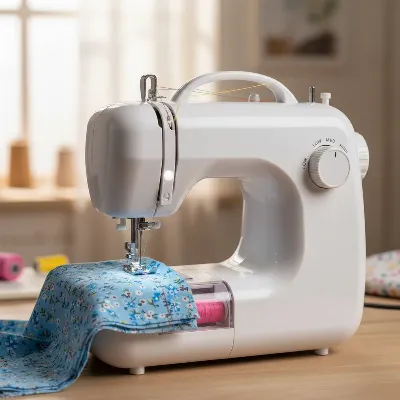 A close-up of a mini sewing machine highlighting its features: a built-in light, speed control dial, and bobbin area, with threads and a small piece of fabric. The machine is compact and user-friendly.
Tips for Using and Maintaining Your Mini Sewing Machine
Proper use and regular maintenance are crucial for extending the life and ensuring the smooth operation of your mini sewing machine, allowing it to remain your trusted companion for quick repairs and hemming tasks.
- Regular Cleaning: Lint and dust can accumulate in the bobbin area and around the needle plate, leading to skipped stitches or machine jams. Turn off and unplug your machine, then use a small brush to gently remove any debris after every few uses. Avoid blowing air directly into the machine, as this can push dust further inside.
- Lubrication (If Recommended): Some mini sewing machines, particularly mechanical ones, may require occasional oiling. Always refer to your user manual for specific lubrication instructions, as over-oiling or oiling the wrong parts can cause issues.
- Change Needles Regularly: A dull or bent needle can cause skipped stitches, fabric snags, or even damage to your machine. Change your needle after every 8-10 hours of sewing or at the start of a new project, especially when switching fabric types. Ensure you use the correct needle size for your fabric weight.
- Use Quality Thread: Cheap thread is more prone to breaking, tangling, and creating lint. Invest in medium-quality polyester or cotton thread for optimal performance and fewer frustrations. Always ensure the upper thread and bobbin thread are of the same denier for consistent stitching.
- Test on Scrap Fabric: Before starting your project, always test the stitches and tension on a scrap piece of the same fabric. This allows you to adjust tension settings until your stitches look even and consistent on both sides of the fabric, preventing mishaps on your actual item.
- Proper Storage: When not in use, store your mini sewing machine in a dry, dust-free place, ideally in its original packaging or a dedicated carrying case. This protects it from dust, moisture, and accidental damage.
- Troubleshooting Common Issues:
- Skipped Stitches: Re-thread the top thread and bobbin, replace the needle (it might be bent or dull), and ensure proper thread tension.
- Thread Bunching: This often indicates incorrect bobbin placement or tension issues. Remove the bobbin, re-insert it correctly, and adjust tension.
- Machine Not Running: Check batteries if using battery power, ensure the AC adapter is securely plugged in, and verify any safety locks are disengaged.
- Fabric Suitability: Mini sewing machines are best suited for light to medium-weight fabrics such as cotton, linen, polyester, and blends. They may struggle with very thick fabrics like denim or multiple layers, potentially leading to skipped stitches or motor strain.
> “Mini sewing machines are a major upgrade for anyone who needs quick fixes or enjoys small creative projects on the go. Their simplicity makes them incredibly approachable for new sewers.” – Lan, Sewing Technician with over 10 years of experience.
Conclusion
Mini sewing machines offer an unparalleled blend of portability, convenience, and functionality, making them indispensable tools for quick repairs, hemming, and a variety of small sewing projects. Whether you’re a seasoned sewist looking for a travel-friendly option or a beginner eager to learn the basics without investing in a full-sized machine, there’s a compact companion waiting to simplify your sewing life. By understanding the different types, carefully considering essential features, and committing to simple maintenance, you can ensure your mini sewing machine remains a reliable and efficient part of your crafting toolkit. Embrace the ease and versatility these tiny powerhouses provide, and discover how effortless it can be to tackle everyday sewing challenges. What exciting small project or urgent repair will you conquer with your mini sewing machine first?
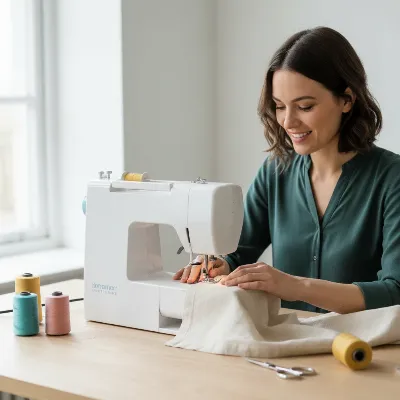 A person happily using a compact sewing machine on a desk, working on a small craft project like hemming a fabric. The scene is bright and shows the ease of use, with various colorful threads and simple sewing tools around.
Frequently Asked Questions
Are mini sewing machines good for beginners?
Yes, mini sewing machines are excellent for beginners due to their straightforward operation, limited features that prevent overwhelm, and typically lower price point. They are perfect for learning basic stitches and handling simple projects without the complexity of a full-sized machine.
What can a mini sewing machine sew?
Mini sewing machines are primarily designed for light to medium-weight fabrics like cotton, linen, polyester, and basic denim. They excel at quick repairs such as mending torn seams, hemming trousers or curtains, attaching patches, and creating small craft items.
How long do mini sewing machines last?
With proper care, regular cleaning, and adherence to manufacturer guidelines, a mini sewing machine can last for several years. Their longevity depends on usage frequency, the types of fabrics sewn, and consistent maintenance, including timely needle changes and correct threading.
Can mini sewing machines handle thick fabrics?
Generally, mini sewing machines struggle with very thick fabrics or multiple layers of heavy material like upholstery or several layers of denim. They are not built with the robust motor or internal components required for such heavy-duty tasks, which can lead to skipped stitches or even damage to the machine.
Is an automatic needle threader essential for a mini sewing machine?
While not strictly essential, an automatic needle threader is a highly convenient feature that significantly simplifies the threading process, especially for those with vision challenges or who find manual threading fiddly. Many basic mini machines might not include this, but it’s a valuable addition if available.
Do mini sewing machines need a foot pedal?
Most mini sewing machines come with an optional foot pedal, allowing for hands-free speed control similar to larger machines. Some ultra-compact or handheld models might operate solely by a button on the machine. The choice often comes down to personal preference for control and mobility.
What’s the difference between a mini sewing machine and a handheld sewing machine?
A mini sewing machine typically sits on a table and uses two threads to create a lock stitch, similar to a standard machine but smaller. A handheld sewing machine is even smaller, held in one hand, usually operates with a single thread to create a chain stitch, and is best for extremely quick, minor emergency repairs.
Frequently Asked Questions
Are mini sewing machines good for beginners?
Yes, mini sewing machines are excellent for beginners due to their straightforward operation and limited features, which prevent overwhelm. They are perfect for learning basic stitches and handling simple projects without the complexity of a full-sized machine, typically costing between $20 and $150.
What types of fabric can a mini sewing machine sew?
Mini sewing machines are primarily designed for light to medium-weight fabrics such as cotton, linen, polyester, and basic denim. They excel at quick repairs like mending torn seams, hemming trousers or curtains, and creating small craft items.
How long can you expect a mini sewing machine to last?
With proper care, regular cleaning, and adherence to manufacturer guidelines, a mini sewing machine can last for several years. Longevity depends on usage frequency, the types of fabrics sewn, and consistent maintenance, including timely needle changes every 8-10 hours of sewing.
Can mini sewing machines handle thick fabrics like denim?
Generally, mini sewing machines struggle with very thick fabrics or multiple layers of heavy material like upholstery or several layers of denim. They are not built with the robust motor or internal components required for such heavy-duty tasks, which can lead to skipped stitches or even damage to the machine.
What is the difference between a mini sewing machine and a handheld sewing machine?
A mini sewing machine typically sits on a table and uses two threads to create a lock stitch, similar to a standard machine but smaller. A handheld sewing machine is even smaller, held in one hand, usually operates with a single thread to create a chain stitch, and is best for extremely quick, minor emergency repairs.
Choosing the Right Mini Sewing Machine
Selecting the ideal mini sewing machine requires understanding your sewing habits and expectations to align its capabilities with your needs.
Before looking at models, identify your primary use for the machine. If your main goal is simple mending, hemming, or small craft projects, a mini sewing machine will suffice. For complex garment construction or heavy fabrics, a more robust domestic machine might be a better investment.
Mini sewing machines are typically affordable, ranging from $20 to $150, making them an accessible entry point. Balance price with features and brand reputation to ensure you get good value, as extremely cheap models might compromise on build quality.
Consider stitch options (straight/zigzag), dual speed control, power source (AC/battery), built-in LED light, and included accessories. An automatic needle threader is a convenient feature, though less common on very basic models.
Opt for well-known brands like Singer, Brother, or Janome for reliability and customer support. Read customer reviews and watch comparison videos to understand real-world performance, durability, and common issues.
Mini sewing machines are available online and in physical stores. Online retailers offer broader selection and competitive pricing, while brick-and-mortar stores allow physical inspection. Always choose reputable sellers for product authenticity and warranty support.

As someone who travels a lot, the portability aspect of these mini machines is a huge plus. I got one that runs on batteries and it’s fantastic for emergency mends on the go. The basic stitch options are all I need for those quick fixes, and it really does fit into a small bag without any hassle.
I bought a mini sewing machine for my daughter who’s a beginner, hoping it would be perfect for her. While it’s definitely easy to use and great for small projects, I found that it struggled a bit with thicker denim, even though it’s supposed to handle light to medium-weight fabrics. It’s fine for simple tasks, but don’t expect it to be a powerhouse.
This was exactly what I needed for those small hemming tasks that always pile up. I love that these machines are so compact and don’t take up much space on my craft table. The price point, typically between $20 and $150, also made it an easy decision to invest in one for my occasional sewing needs.
I picked up one of the mini sewing machines mentioned, specifically in the $50-$75 range, for quick repairs and it’s been a lifesaver! I used to dread pulling out my big machine for a tiny hem, but this little guy handles light to medium-weight fabrics with no problem. It’s so easy to set up and put away, perfect for my small apartment.