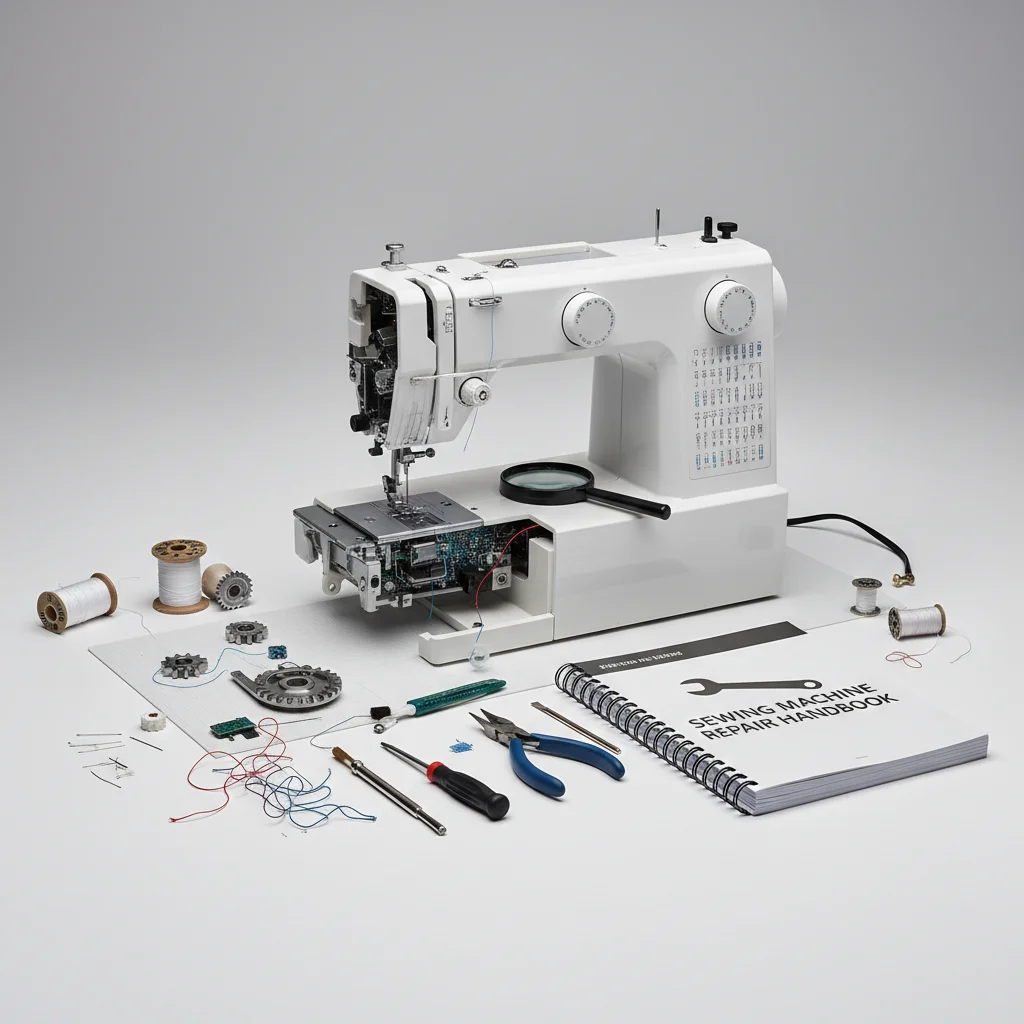
When your sewing machine acts up, a full repair shop visit isn’t always necessary. Many common issues can be resolved with simple DIY fixes, saving you time and money. This guide will walk you through 7 common sewing machine problems and their straightforward solutions, empowering you to get back to your projects quickly.
Identifying Common Sewing Machine Problems
Before you can fix a problem, you need to accurately identify it. Is your machine skipping stitches, making unusual noises, or refusing to feed fabric? Understanding the symptoms is the first step towards a successful repair. Pay close attention to when the problem occurs – during startup, mid-stitch, or when changing settings. For explore our sewing machine reviews on this site.
Skipped Stitches: A Common Frustration
Skipped stitches are a frequent complaint among sewers. This issue often stems from a dull or incorrect needle, improper threading, or incorrect tension. Begin by replacing your needle with a new, appropriate type for your fabric. Next, rethread your machine completely, ensuring the thread is seated correctly in all guides. Finally, check your tension settings; often, a slight adjustment can resolve the problem.
Fabric Not Feeding: What to Check
If your fabric isn’t moving smoothly under the needle, the feed dogs are likely the culprit. Ensure they are engaged and not lowered for free-motion sewing. Clean any lint or debris that might be obstructing their movement. Sometimes, a worn presser foot can also contribute to feeding issues, so inspect it for damage.
Thread Breaking: Causes and Solutions
|
Our Picks for the Best Sewing Machine in 2026
As an Amazon Associate I earn from qualifying purchases.
|
||
| Num | Product | Action |
|---|---|---|
| 1 | Brother Sewing and Quilting Machine, XR3774, 37 Built-in Stitches, Wide Table, 8 Included Sewing Feet |

|
| 2 | Brother CS7000X Computerized Sewing and Quilting Machine, 70 Built-in Stitches, LCD Display, Wide Table, 10 Included Feet, White |
|
| 3 | SINGER Heavy Duty 4452 High-Speed Sewing Machine with Accessory Kit | Strong Motor with Enhanced Piercing Power, 110 Stitch Applications, Full Metal Frame, 1-Step Buttonhole & LED Lights, Grey |
|
| 4 | Brother XM2701 Sewing Machine, Lightweight, Full Featured, 27 Stitches, 6 Included Feet |
|
| 5 | Brother FB1757X Mechanical Sewing Machine |
|
| 6 | SINGER Heavy Duty 4411 High-Speed Sewing Machine with Accessory Kit | Strong Motor, Enhanced Piercing Power, 69 Stitch Applications, Full Metal Frame, 4-Step Buttonhole & LED Light, Grey |
|
| 7 | Brother RLX3817 17-Stitch Sewing Machine, White(Renewed) |
|
| 8 | Brother SE700 Sewing and Embroidery Machine, Wireless LAN Connected, 135 Built-in Designs, 103 Built-in Stitches, Computerized, 4" x 4" Hoop Area, 3.7" Touchscreen Display, 8 Included Feet, White |
|
| 9 | Janome Cat Fancy Easy-to-Use Sewing Machine with Interior Metal Frame, Bobbin Diagram, Tutorial Videos, Made with Beginners in Mind!, Multi-Color |
|
| 10 | SINGER Heavy Duty 4423 Meltwater Blue High Speed Sewing Machine with Accessory Kit | Strong Motor With Enhanced Piercing Power, 97 Stitch Applications, Full Metal frame, 1-step Buttonhole & LED Light |
|
Frequent thread breakage can be incredibly frustrating. Common causes include incorrect needle size, poor quality thread, improper threading, or burrs on the needle plate or bobbin case. Always use good quality thread and match your needle to your thread and fabric. Carefully inspect your machine for any rough edges that could be snagging the thread. Re-threading both the top thread and the bobbin can often solve this issue.
Machine Jamming: Clearing the Obstruction
A jammed sewing machine usually means there’s a tangle of thread in the bobbin area or around the needle. First, turn off and unplug your machine. Remove the needle plate and bobbin case. Carefully cut and remove all tangled threads. Use a small brush or tweezers to clear any remaining lint or thread fragments. Reassemble and test with scrap fabric.
Noisy Operation: Quieting Your Machine
An unusually noisy sewing machine often indicates a lack of lubrication or loose components. Start by cleaning and oiling your machine according to your manual’s instructions. Check all screws and ensure they are snug. Sometimes, a worn belt or motor can cause excessive noise, which might require professional attention if cleaning and oiling don’t help.
- Replace dull or bent needles immediately.
- Always rethread your machine from scratch when troubleshooting.
- Clean lint and debris from the bobbin area and feed dogs regularly.
- Use high-quality thread appropriate for your project.
- Consult your sewing machine’s manual for specific troubleshooting steps.
