The Juki TL-2000Qi is a highly durable, semi-industrial straight-stitch sewing machine, built with a robust aluminum die-cast frame and an industrial-grade motor that allows it to handle heavy fabrics and high-volume projects with exceptional stability and longevity. Unlike many home machines, it prioritizes power and consistent stitch quality, making it a reliable workhorse for serious quilters and sewists who require enduring performance for decades with proper maintenance.
What is the Juki TL-2000Qi Sewing Machine?
The Juki TL-2000Qi is a high-speed, straight-stitch mechanical sewing and quilting machine. Manufactured by Juki, a renowned Japanese company with a legacy in industrial sewing equipment, this model brings industrial-grade precision and robustness to the home sewing environment. Unlike many computerized home machines, the TL-2000Qi prioritizes power and singular stitch quality over a multitude of decorative options. It’s engineered to tackle demanding projects, excelling at tasks like quilting, garment construction, and sewing through multiple layers of heavy fabrics such as denim, leather, and canvas, making it a favorite among experienced sewists and quilters who require reliability and consistent performance.
The Foundation of Durability: Construction and Design
The secret to the Juki TL-2000Qi’s celebrated durability lies squarely in its foundational construction and thoughtful design, reflecting its semi-industrial lineage.
Heavy-Duty Metal Frame
At the core of the TL-2000Qi is its sturdy aluminum die-cast frame and bed. This robust metal construction provides exceptional stability, minimizing vibration even when the machine operates at its impressive top speeds. Unlike machines predominantly made with plastic components, the TL-2000Qi’s all-metal interior significantly contributes to its longevity and powerful, virtually vibration-free operation. This heavy-duty build allows it to tackle thick materials and high-volume projects without strain, a testament to its enduring design.
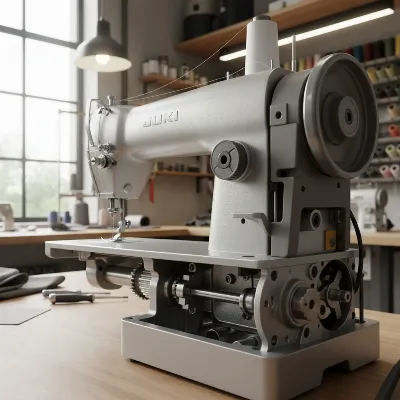 Juki TL-2000Qi sewing machine showcasing its durable metal die-cast frame construction
Semi-Industrial Heritage
The Juki TL-2000Qi is often described as a “semi-industrial” machine, a classification that speaks volumes about its durability. This designation means it incorporates many design principles and robust components found in full industrial machines, scaled for home use. It’s built as a workhorse, designed for continuous, demanding tasks that would quickly wear out lighter domestic models. This heritage ensures that the machine is not just powerful, but also built to withstand the rigors of frequent, intensive use, making it a reliable partner for production-level sewing at home.
Stability at Speed
One of the Juki TL-2000Qi’s standout features is its ability to reach speeds of up to 1,500 stitches per minute (SPM). This high velocity, typically seen in industrial machines, is handled with remarkable stability thanks to its heavy-duty aluminum die-cast body. This construction absorbs vibrations effectively, allowing the machine to maintain consistent stitch quality even at maximum speed. This inherent stability not only contributes to the user’s precision but also reduces wear and tear on internal components, extending the machine’s overall lifespan and proving its durability under pressure.
Juki TL-2000Qi vs. Other Machine Types: A Durability Comparison
Understanding the Juki TL-2000Qi’s durability is best achieved by comparing it to other common sewing machine types. Each category offers distinct levels of construction and expected lifespan, tailored to different sewing demands.
| Type of Machine | Construction | Expected Lifespan | Best Use Cases | Common Durability Pros | Common Durability Cons |
|---|---|---|---|---|---|
| Juki TL-2000Qi (Semi-Industrial Home) | Die-cast aluminum frame | Lifetime with proper maintenance | Heavy-duty sewing, quilting, high volume | Robust, handles thick fabrics, stable | Less versatile (straight stitch only), requires consistent maintenance |
| Standard Domestic (Entry-Level) | Often plastic/lighter metal | Shorter (5-10 years with regular use) | Light garment sewing, occasional repairs | Affordable, lightweight, portable | Struggles with thick fabrics, less stable, prone to faster wear |
| Computerized Domestic | Plastic/metal frame | 10-20 years with care | Variety of stitches, embroidery, crafting | Versatile, feature-rich, smoother operation | Electronic components can be costly to repair, less tolerant of abuse |
| Fully Industrial | Heavy-duty all-metal | Decades of constant production | Continuous factory production, specialized tasks | Built for non-stop use, highly specialized, extremely robust | Not portable, very specific function, expensive, high learning curve |
The Juki TL-2000Qi clearly bridges the gap between typical home sewing machines and full industrial models, offering a compelling blend of home-use convenience with industrial-grade durability. Its robust construction ensures it outlasts many computerized and entry-level domestic machines, making it a sound long-term investment for serious sewists.
Key Features Contributing to Longevity
Beyond its fundamental construction, several specific features of the Juki TL-2000Qi are designed to enhance its performance and extend its operational life.
Powerful Motor: The heart of the TL-2000Qi is its industrial-grade motor, capable of delivering up to 1,500 stitches per minute. This power isn’t just about speed; it’s about the machine’s unwavering ability to plow through challenging materials like denim, leather, and multiple layers of fabric without bogging down. A motor that handles tough jobs with ease experiences less strain over time, directly contributing to its longevity and reducing the risk of premature wear.
Excellent Stitch Quality: While it’s a straight-stitch-only machine, the TL-2000Qi delivers superb stitch quality. The stitches are consistently even and strong, without skipped stitches, even at high speeds. For projects like quilting, where seams must endure significant stress and repeated washing, this consistent, high-quality stitch is crucial for creating durable finished items. Strong, reliable seams also mean less re-stitching, which in turn reduces unnecessary wear on the machine itself.
Adjustable Presser Foot Pressure: The machine features a pressure foot adjustment, allowing users to fine-tune the pressure applied to the fabric based on its type and thickness. This feature is vital for durability because it prevents unnecessary stress on both the fabric and the machine’s feed mechanism. Correct pressure ensures smooth fabric feeding, prevents fabric damage, and reduces strain on the needle bar and motor, thereby extending the life of these critical components.
True Drop Feed: For free-motion quilting, the TL-2000Qi offers a true drop-feed mechanism. This allows the feed dogs to be fully disengaged, giving the user complete control over fabric movement. This feature is important for durability because it minimizes lateral stress on the needle and presser foot when manipulating fabric freely, which could otherwise lead to bent needles or damage to the feed dog mechanism over prolonged use.
Prolonging Your Machine’s Life: Essential Maintenance Tips
Even the most durable machine, like the Juki TL-2000Qi, requires diligent maintenance to achieve its “lifetime” potential. Regular care ensures smooth operation, prevents costly repairs, and keeps your stitches perfect for years to come.
Regular Cleaning
|
Our Picks for the Best Sewing Machine in 2026
As an Amazon Associate I earn from qualifying purchases.
|
||
| Num | Product | Action |
|---|---|---|
| 1 | Brother RLX3817 17-Stitch Sewing Machine, White(Renewed) |

|
| 2 | Brother CS7000X Computerized Sewing and Quilting Machine, 70 Built-in Stitches, LCD Display, Wide Table, 10 Included Feet, White |
|
| 3 | SINGER Heavy Duty 4411 High-Speed Sewing Machine with Accessory Kit | Strong Motor, Enhanced Piercing Power, 69 Stitch Applications, Full Metal Frame, 4-Step Buttonhole & LED Light, Grey |
|
| 4 | Brother FB1757X Mechanical Sewing Machine |
|
| 5 | Janome Cat Fancy Easy-to-Use Sewing Machine with Interior Metal Frame, Bobbin Diagram, Tutorial Videos, Made with Beginners in Mind!, Multi-Color |
|
| 6 | Brother Sewing and Quilting Machine, XR3774, 37 Built-in Stitches, Wide Table, 8 Included Sewing Feet |
|
| 7 | Brother XM2701 Sewing Machine, Lightweight, Full Featured, 27 Stitches, 6 Included Feet |
|
| 8 | SINGER Heavy Duty 4452 High-Speed Sewing Machine with Accessory Kit | Strong Motor with Enhanced Piercing Power, 110 Stitch Applications, Full Metal Frame, 1-Step Buttonhole & LED Lights, Grey |
|
| 9 | SINGER Heavy Duty 4423 Meltwater Blue High Speed Sewing Machine with Accessory Kit | Strong Motor With Enhanced Piercing Power, 97 Stitch Applications, Full Metal frame, 1-step Buttonhole & LED Light |
|
| 10 | Brother SE700 Sewing and Embroidery Machine, Wireless LAN Connected, 135 Built-in Designs, 103 Built-in Stitches, Computerized, 4" x 4" Hoop Area, 3.7" Touchscreen Display, 8 Included Feet, White |
|
Dust and lint are the silent enemies of any sewing machine. They can accumulate in critical areas, leading to decreased performance and eventual damage. It is essential to frequently clean out dust and lint from the bobbin area, under the needle plate, and around the feed dogs. Use a small brush or specialized cleaning swabs to reach tight spaces. Avoid using compressed air directly into the machine’s open crevices, as this can push debris further into sensitive electronic components. For best practice, clean after every major project to prevent buildup.
Proper Oiling
As a mechanical machine, the Juki TL-2000Qi requires regular oiling to keep its many moving metal parts lubricated. However, proper oiling means applying the right amount in the correct spots at the right frequency, not over-oiling. Experts recommend oiling the TL series machines every 3-4 months with a total of about 6 drops in specific lubrication points, rather than daily. Over-oiling can attract more dust and even seep into electronic components, causing significant issues. Always refer to your machine’s manual for precise lubrication points and use only high-quality sewing machine oil.
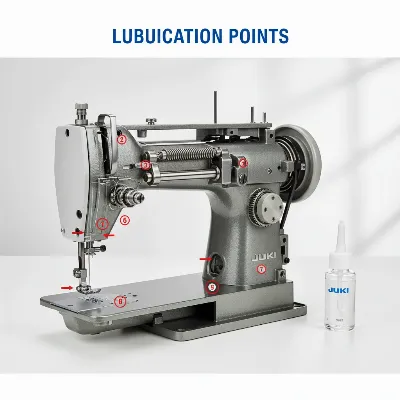 Detailed view of Juki TL-2000Qi with highlighted oiling points for maintenance
Needle Care
A sharp, straight needle is fundamental to good sewing and machine health. Dull or bent needles can lead to skipped stitches, fabric damage, and even put undue stress on the machine’s hook and tension assembly. It’s recommended to change your needle about every 8 hours of sewing time, or at the start of every new project, whichever comes first. Always use the correct needle type and size for your fabric and thread, ensuring it’s inserted correctly with the flat side facing the right, and tightened securely.
Professional Servicing
While home maintenance is crucial, even the most diligent sewist benefits from professional attention. For regular users, an annual service check by a qualified mechanic is highly recommended. A professional can clean and lubricate internal parts that are inaccessible to the user, make necessary adjustments, and identify potential wear-and-tear issues before they become major problems. This preventative care is an investment in your machine’s long-term health.
Mindful Operation
Operating your machine mindfully is a simple yet effective way to prevent unnecessary wear. Avoid pulling or pushing fabric forcefully while stitching, as this can deflect the needle, causing it to break or damage the machine’s timing. Always use the proper throat plate for your stitch type to prevent needle breakage. Additionally, ensure the sewing machine is switched off when making any adjustments in the needle area, such as threading or changing the presser foot, to prevent accidental damage or injury.
Common Durability Concerns and Solutions
While the Juki TL-2000Qi is renowned for its durability, no machine is entirely without its quirks or potential issues over time. Addressing these proactively can significantly extend its lifespan.
Tension Sensitivity: Some users report that the upper tension knob on the Juki TL-2000Qi can be quite sensitive. Even a slight, unnoticed bump can alter the tension, leading to problems like “bird nesting” on the underside of the fabric. This can be frustrating, especially during long projects like quilting.
- Solution: Familiarize yourself thoroughly with the tension adjustment. Regularly check the tension on scrap fabric before beginning a project. If persistent issues arise, it might indicate that the check springs, which are crucial for consistent tension, are wearing out and may need replacing. Resources like Juki Junkies on YouTube or Facebook can offer specialized troubleshooting advice and guidance on part replacement. Ensure your machine is threaded correctly with the presser foot up, allowing the thread to seat deeply into the tension disks.
Wear and Tear on Parts: Like any mechanical device with moving parts, certain components in the Juki TL-2000Qi can experience wear over extended use. While the overall construction is robust, smaller, high-stress parts are naturally more susceptible.
- Solution: Regular professional servicing is key here. A qualified technician can inspect internal components, identify signs of wear on parts like the check springs or feed dog mechanism, and replace them before they cause significant damage or operational failure. Using high-quality threads and needles also reduces strain on the machine, minimizing premature wear on delicate parts. Promptly addressing any unusual noises or changes in sewing performance can prevent minor wear from escalating into a major repair.
Conclusion
The Juki TL-2000Qi sewing machine truly lives up to its reputation as a durable, semi-industrial workhorse for the home sewist. Its robust aluminum die-cast construction provides unparalleled stability and resilience, allowing it to power through heavy fabrics and high-volume projects where many domestic machines would falter. Features like its powerful motor, excellent straight-stitch quality, and adjustable presser foot pressure all contribute to its long-term reliability and the creation of lasting, high-quality sewn items.
However, the TL-2000Qi’s remarkable durability is not solely a product of its build; it’s a partnership between the machine’s inherent quality and the owner’s commitment to maintenance. Regular cleaning, precise oiling at recommended intervals, diligent needle care, and occasional professional servicing are not just suggestions—they are essential practices that unlock and sustain its “lifetime” potential. While minor issues like tension sensitivity may arise, proactive troubleshooting and proper care ensure these are mere bumps in the road, not roadblocks to your creative journey.
Investing in a Juki TL-2000Qi is an investment in a reliable, enduring companion for all your sewing and quilting adventures. With thoughtful use and consistent maintenance, this machine will undoubtedly serve as a cornerstone in your creative space for decades to come, proving itself to be a true testament to lasting craftsmanship. What projects will you tackle first with a machine built to last?
Frequently Asked Questions
Is the Juki TL-2000Qi a good machine for heavy fabrics?
Absolutely. The Juki TL-2000Qi is specifically designed with a powerful industrial-grade motor and sturdy aluminum die-cast construction, allowing it to easily sew through multiple layers of heavy fabrics such as denim, canvas, upholstery, and leather without hesitation or strain.
How often should I oil my Juki TL-2000Qi?
The Juki TL-2000Qi is a mechanical machine and requires regular oiling. It’s recommended to oil it every 3-4 months, applying only a few drops of quality sewing machine oil to the specified lubrication points, not daily. Over-oiling can attract lint and cause other issues.
Can beginners use the Juki TL-2000Qi?
While robust and powerful, the Juki TL-2000Qi is generally recommended for experienced sewists and quilters. Its high speed and straight-stitch-only functionality can be challenging for beginners who might benefit more from a machine with slower speed control and a wider variety of stitch options for learning.
What kind of projects is the Juki TL-2000Qi best for?
The Juki TL-2000Qi excels at projects requiring straight stitching, high speed, and the ability to handle heavy materials. It is a favorite among quilters for piecing and free-motion quilting, as well as for garment construction, bag making, and crafting durable home decor items.
Frequently Asked Questions
Is the Juki TL-2000Qi a good machine for heavy fabrics?
Yes, the Juki TL-2000Qi is specifically designed for heavy fabrics. Its powerful industrial-grade motor and sturdy aluminum die-cast construction allow it to easily sew through multiple layers of materials like denim, canvas, upholstery, and leather without strain.
How often should I oil my Juki TL-2000Qi sewing machine?
The Juki TL-2000Qi requires regular oiling every 3-4 months. Apply only a few drops of quality sewing machine oil to the specified lubrication points, as over-oiling can attract lint and cause other issues.
Can beginners effectively use the Juki TL-2000Qi?
The Juki TL-2000Qi is generally recommended for experienced sewists and quilters. Its high speed of 1,500 stitches per minute and straight-stitch-only functionality can be challenging for beginners who might prefer machines with slower speed control and more stitch options.
What types of projects are best suited for the Juki TL-2000Qi?
The Juki TL-2000Qi excels at projects requiring straight stitching, high speed, and the ability to handle heavy materials. It is ideal for quilters doing piecing and free-motion quilting, as well as for garment construction, bag making, and crafting durable home decor items.
What makes the Juki TL-2000Qi so durable?
The Juki TL-2000Qi's durability stems from its heavy-duty aluminum die-cast frame, semi-industrial heritage, and powerful motor. This construction minimizes vibration at high speeds and allows it to withstand continuous, demanding tasks that would wear out lighter domestic models.
Prolonging Your Juki TL-2000Qi's Life
To ensure your Juki TL-2000Qi sewing machine lasts for decades, follow these essential maintenance tips for optimal performance and longevity.
Frequently clean dust and lint from the bobbin area, under the needle plate, and around the feed dogs using a small brush. This prevents buildup that can decrease performance and cause damage. Clean after every major project.
Oil your mechanical Juki TL-2000Qi every 3-4 months with about 6 drops of high-quality sewing machine oil at specific lubrication points. Avoid over-oiling, which can attract dust and cause issues.
Change your needle approximately every 8 hours of sewing time or at the start of each new project. Using sharp, correct needles prevents skipped stitches, fabric damage, and undue stress on the machine's components.
Schedule an annual service check with a qualified mechanic. Professionals can clean inaccessible internal parts, make adjustments, and identify potential wear before they become major problems, investing in your machine's long-term health.
Operate your machine carefully, avoiding forceful pulling or pushing of fabric. Always use the correct throat plate and ensure the machine is off when making adjustments in the needle area to prevent damage or injury.

I’ve had my Juki TL-2000Qi for about two years now and it’s an absolute beast. I do a lot of quilting with thick batting and it just powers through everything without a hitch. The aluminum die-cast frame really makes a difference; it feels so solid and stable even at high speeds. Definitely worth the investment for serious quilters.
As someone who sews almost daily, I needed a machine that could keep up with high-volume projects. The Juki TL-2000Qi has been a game-changer. The industrial-grade motor is no joke – it just keeps going and going. I appreciate that it’s built for longevity; I can tell this machine will be with me for decades with proper care.
I was really excited about the Juki TL-2000Qi because of its reputation for durability and handling heavy fabrics. It does perform well on those fronts, but I found the learning curve a bit steeper than I expected coming from a computerized machine. It’s very mechanical and takes some getting used to, especially threading. Still, it’s a workhorse once you get the hang of it.
This machine is fantastic for straight stitching, no doubt. I bought it specifically for garment construction and it handles denim and canvas like a dream. My only minor complaint is that it’s a straight-stitch only machine, so I still need my other machine for zig-zags and buttonholes. But for pure power and consistent stitch quality, it’s unmatched.