Regularly cleaning and oiling your sewing machine is essential for its longevity and optimal performance. This DIY maintenance routine, which should be performed after every few sewing projects or at least monthly, prevents lint and dust buildup, reduces friction, and ensures smooth operation, ultimately extending the life of your machine and improving stitch quality.
Understanding Your Sewing Machine’s Maintenance Needs
Regular maintenance is the cornerstone of a healthy sewing machine. Over time, lint, dust, and thread fragments accumulate within its delicate mechanisms, leading to increased friction, skipped stitches, and even costly repairs. Oiling, when required, lubricates moving metal parts, reducing wear and tear and allowing the machine to run quietly and efficiently.
It’s crucial to understand that not all sewing machines are created equal in their maintenance demands. While older mechanical models typically benefit from frequent oiling, many modern domestic machines are designed to be “self-lubricating” or internally sealed, meaning they require little to no owner-applied oil. Industrial sewing machines often have specific oiling systems, sometimes even reservoirs. Always consult your sewing machine’s user manual first. This essential document will detail specific cleaning instructions, recommended oiling points, and the type of oil suitable for your particular model, preventing potential damage from improper care.
Essential Tools for DIY Sewing Machine Maintenance
Before you begin, gather the necessary tools. Having everything at hand will make the process smoother and more efficient. You won’t need an elaborate kit, just a few key items.
Here’s what you’ll need:
- Sewing Machine Manual: Your most important resource for model-specific instructions.
- Small Lint Brush: Most machines come with one, or you can use a small, stiff-bristled brush.
- Small Screwdriver Set: To remove needle plates and other covers (ensure it matches your machine’s screws).
- High-Quality Sewing Machine Oil: Crucially, use only oil specifically designed for sewing machines. Never use household oils like WD-40, cooking oil, or general-purpose lubricants, as these can gum up mechanisms and cause serious damage.
- Soft, Clean Cloths: Microfiber or cotton cloths are ideal for wiping surfaces and removing excess oil.
- Scrap Fabric: To test your machine after oiling and catch any residual oil.
- Tweezers (Optional): Helpful for pulling out stubborn lint or thread fragments.
- Small Vacuum Cleaner Attachment or Canned Air (Optional, use with caution): To remove lint, though a brush is generally preferred to avoid pushing debris further in. If using canned air, always blow away from the machine’s interior.
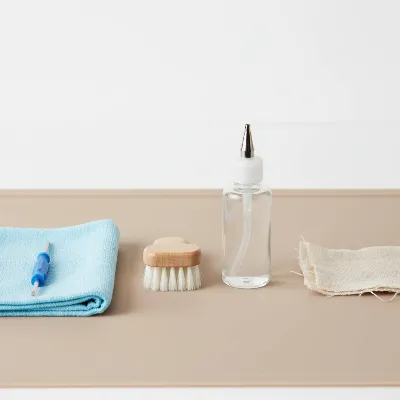 Essential tools for DIY sewing machine cleaning and oiling, including lint brush, oil, and screwdriver
Step-by-Step Guide to Safely Cleaning Your Sewing Machine
Cleaning your sewing machine regularly is vital to prevent lint and dust buildup from hindering its performance. This process should be done after every few sewing projects, or at least once a month if you sew frequently.
Safety First: Unplug and Prepare
|
Our Picks for the Best Sewing Machine in 2026
As an Amazon Associate I earn from qualifying purchases.
|
||
| Num | Product | Action |
|---|---|---|
| 1 | SINGER Heavy Duty 4423 Meltwater Blue High Speed Sewing Machine with Accessory Kit | Strong Motor With Enhanced Piercing Power, 97 Stitch Applications, Full Metal frame, 1-step Buttonhole & LED Light |

|
| 2 | SINGER Heavy Duty 4411 High-Speed Sewing Machine with Accessory Kit | Strong Motor, Enhanced Piercing Power, 69 Stitch Applications, Full Metal Frame, 4-Step Buttonhole & LED Light, Grey |
|
| 3 | Brother CS7000X Computerized Sewing and Quilting Machine, 70 Built-in Stitches, LCD Display, Wide Table, 10 Included Feet, White |
|
| 4 | Brother SE700 Sewing and Embroidery Machine, Wireless LAN Connected, 135 Built-in Designs, 103 Built-in Stitches, Computerized, 4" x 4" Hoop Area, 3.7" Touchscreen Display, 8 Included Feet, White |
|
| 5 | Brother RLX3817 17-Stitch Sewing Machine, White(Renewed) |
|
| 6 | Brother Sewing and Quilting Machine, XR3774, 37 Built-in Stitches, Wide Table, 8 Included Sewing Feet |
|
| 7 | Brother FB1757X Mechanical Sewing Machine |
|
| 8 | Brother XM2701 Sewing Machine, Lightweight, Full Featured, 27 Stitches, 6 Included Feet |
|
| 9 | SINGER Heavy Duty 4452 High-Speed Sewing Machine with Accessory Kit | Strong Motor with Enhanced Piercing Power, 110 Stitch Applications, Full Metal Frame, 1-Step Buttonhole & LED Lights, Grey |
|
| 10 | Janome Cat Fancy Easy-to-Use Sewing Machine with Interior Metal Frame, Bobbin Diagram, Tutorial Videos, Made with Beginners in Mind!, Multi-Color |
|
Safety is paramount when working with any electrical appliance. The very first step, before touching any internal parts, is to unplug your sewing machine from the power outlet. This prevents accidental starts and potential injury. Once unplugged, remove any thread from the machine and the bobbin from its case.
Dismantling Key Components
To access the areas that collect the most lint, you’ll need to carefully remove some parts. Start by removing the needle. Next, remove the presser foot. Then, using your small screwdriver, unscrew the needle plate (also known as the throat plate) which covers the bobbin area and feed dogs. Carefully lift it off. If your machine has a bobbin case, remove the bobbin and then the bobbin case itself. For drop-in bobbin systems, simply lift out the bobbin. Take care to note how each piece fits together so you can reassemble them correctly.
Thoroughly Remove Lint and Dust
This is where your lint brush shines. Gently sweep away all visible lint, dust bunnies, and thread snippets from the bobbin housing, under the needle plate, and around the feed dogs. The feed dogs are the textured bars that move fabric through the machine, and they accumulate a surprising amount of debris. Pay close attention to the hook race (the area where the bobbin case sits and the bobbin spins), as this is a high-friction zone prone to lint buildup. For stubborn lint, you can use tweezers. to clean the brush frequently as you work. Avoid using canned air indiscriminately, as it can push lint further into the machine’s intricate parts.
Clean the Exterior
Once the internal components are clean, take a soft, slightly damp (not wet) cloth and wipe down the exterior casing of your sewing machine. Remove any dust, smudges, or fingerprints. Be careful to avoid getting moisture near any electrical components or metal parts, as this can cause corrosion or damage. For metal surfaces, use a dry cloth.
How to Correctly Oil Your Sewing Machine
Oiling lubricates moving parts, ensuring smooth operation. However, knowing where and how much oil to apply is critical. If your manual states your machine doesn’t require oiling, skip this step.
Identify Oiling Points
The most common area requiring oil is the hook race (also known as the bobbin race or shuttle hook assembly) in the bobbin area. This is where the bobbin case or bobbin rotates, creating the stitch, and it experiences significant friction. Some manuals may also recommend a drop of oil on the needle bar at the top, or other specific internal points. Your machine’s manual is the definitive guide for identifying the precise oiling spots for your model, as locations can vary significantly between brands and types of machines. Do not guess or apply oil randomly.
Apply the Right Oil Sparingly
Using only high-quality sewing machine oil, apply one or two small drops to each designated oiling point. Less is often more when it comes to oiling. Over-oiling can lead to a messy machine, attract more lint, and potentially stain your fabric. The fine tip on most sewing machine oil bottles allows for precise application.
Distribute and Wipe Excess
After applying oil, turn the handwheel a few times to help distribute the oil evenly throughout the moving parts. You might want to do this slowly at first. Once the oil has had a chance to spread, use a clean, dry cloth to carefully wipe away any excess oil from the visible surfaces. This prevents oil drips on your projects. Reassemble all the components you removed earlier: the bobbin case, bobbin, needle plate, presser foot, and needle.
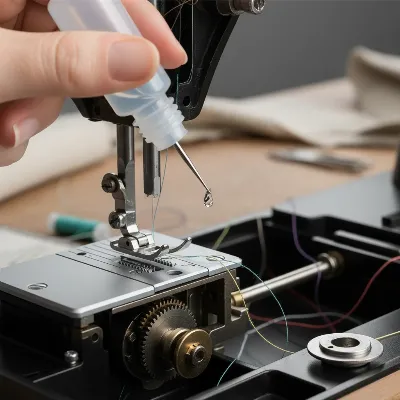 Hand applying sewing machine oil to the bobbin race of a domestic sewing machine during maintenance
Common Mistakes to Avoid During Maintenance
Maintaining your sewing machine is straightforward, but certain pitfalls can negate your efforts or even cause damage. Be mindful of these common mistakes:
- Using the Wrong Oil: As emphasized, only use oil specifically designed for sewing machines. Other oils can congeal, attract more dirt, or corrode parts.
- Over-Oiling: Applying too much oil is a frequent error. It can lead to oil leaking onto your fabric, creating unsightly stains, and will attract more lint and dust, undoing your cleaning efforts. A drop or two per point is typically sufficient.
- Neglecting to Clean Before Oiling: Oiling a dusty, lint-filled machine traps the debris, turning it into a greasy paste that impedes movement and causes wear. Always clean thoroughly before oiling.
- Ignoring Your Manual: Your sewing machine’s manual is a treasure trove of specific information for your model. Failing to consult it can lead to incorrect oiling points, improper disassembly, or using the wrong techniques.
- Using Canned Air Incorrectly: Blowing canned air directly into the machine can force lint and dust deeper into inaccessible areas, creating bigger problems. If used, blow across surfaces or away from openings.
- Skipping the Test Sew: Always test your machine on a scrap piece of light-colored fabric after cleaning and oiling. This allows you to check for proper function, ensure no oil stains are transferred, and confirm the machine is running smoothly before you start a new project.
When to Call a Professional
While DIY maintenance covers much of what a sewing machine needs, there are times when professional intervention is best. If your machine is still making unusual noises, skipping stitches, or experiencing tension problems after cleaning and oiling, it might indicate a more complex issue. Modern computerized machines, especially those explicitly stated as “self-lubricating” by the manufacturer, should often be left to professional technicians for internal servicing. A professional tune-up once a year, regardless of your machine type, can address deeper issues and ensure all components are in optimal condition.
> “Regular at-home cleaning prevents 90% of common sewing machine issues, but knowing when a professional tune-up is needed is key to its long-term health.” – Lan Nguyen, Sewing Machine Technician at ReviewChaam.com
Conclusion
Taking the time to regularly clean and, when necessary, oil your sewing machine is an investment in its lifespan and your sewing pleasure. By following these simple yet crucial DIY steps – from unplugging for safety to meticulously brushing away lint and applying the right oil sparingly – you can ensure your machine operates smoothly, quietly, and reliably. This proactive approach not only maintains performance but also prevents minor issues from escalating into significant problems. Isn’t it wonderful to have a sewing machine that feels as good as new every time you sit down to create?
Frequently Asked Questions
How often should I clean and oil my sewing machine?
The frequency depends on how often you use your machine and the types of fabrics you sew. As a general rule, clean your sewing machine after every 8-10 hours of use or before starting a new major project. If you sew infrequently, a monthly check-up is advisable. For oiling, always consult your manual; some machines need it after every few uses, while others are self-lubricating and may only need professional servicing annually.
Frequently Asked Questions
How often should I clean and oil my sewing machine?
You should clean your sewing machine after every 8-10 hours of use or before starting a new major project. If you sew infrequently, a monthly check-up is advisable. For oiling, always consult your machine's manual, as requirements vary; some machines need oil after every few uses, while others are self-lubricating and may only need professional servicing annually.
What type of oil should I use for my sewing machine?
You must use only high-quality oil specifically designed for sewing machines. Never use household oils like WD-40, cooking oil, or general-purpose lubricants, as these can gum up mechanisms and cause serious damage to your machine's delicate parts.
What are the most common areas to clean on a sewing machine?
The most common areas to clean are the bobbin housing, under the needle plate, and around the feed dogs. These areas accumulate the most lint, dust, and thread snippets, which can hinder performance and lead to skipped stitches.
When should I call a professional for sewing machine maintenance?
You should call a professional if your machine continues to make unusual noises, skips stitches, or experiences tension problems after you've performed cleaning and oiling. Modern computerized machines, especially self-lubricating models, often require professional technicians for internal servicing, and an annual professional tune-up is recommended for all machine types.
Can I use canned air to clean my sewing machine?
While canned air can be used with caution, a lint brush is generally preferred. If you use canned air, always blow across surfaces or away from openings to avoid forcing lint and dust deeper into inaccessible areas of the machine, which can create bigger problems.
Clean and Oil Your Sewing Machine
This guide provides step-by-step instructions to safely clean and oil your sewing machine, ensuring its longevity and smooth operation.
Before starting any maintenance, always unplug your sewing machine from the power outlet to prevent accidental starts and potential injury. Remove any thread from the machine and the bobbin from its case to prepare for cleaning.
Carefully remove the needle, presser foot, and then unscrew the needle plate using a small screwdriver to access the bobbin area and feed dogs. If applicable, remove the bobbin case and bobbin. Remember how each piece fits to ensure correct reassembly.
Use a small lint brush to gently sweep away all visible lint, dust, and thread snippets from the bobbin housing, under the needle plate, and around the feed dogs. Pay special attention to the hook race. Avoid using canned air indiscriminately to prevent pushing debris deeper into the machine.
Consult your sewing machine's manual to identify the precise oiling spots, typically the hook race. Apply only one or two small drops of high-quality sewing machine oil to each designated point. Over-oiling can lead to mess and attract more lint.
After oiling, turn the handwheel a few times to distribute the oil evenly. Wipe away any excess oil with a clean, dry cloth to prevent stains on fabric. Finally, reassemble all components: bobbin case, bobbin, needle plate, presser foot, and needle.

This was exactly what I needed! My machine was starting to sound a bit clunky and I was getting skipped stitches, which was so frustrating. After following the DIY cleaning and oiling routine, it’s like a brand new machine. It’s amazing how much difference a little regular care makes. Thanks for the detailed instructions!
I used to just take my machine in for service, but this guide made me realize how much I could do myself! The tips on preventing lint and dust buildup were super helpful. My old Singer is running so much smoother now after I gave it a good clean and oiling. Definitely recommend following these steps to keep your machine happy.
Great advice on regular maintenance! I’ve always been pretty good about cleaning, but I sometimes forget about the oiling part. It’s true that understanding your machine’s specific needs is key; my newer computerized machine has different oiling points than my grandma’s old mechanical one. My stitch quality has definitely improved since I started being more diligent.
The information on reducing friction and wear and tear was good, but I wish there were more specific examples for different machine types. It felt a little general at times. I have a serger and wasn’t entirely sure if all the oiling advice applied. Still, it’s a good starting point for anyone looking to extend the life of their machine.